Correct Operation Methods of Three-Wheeled Cranes
Source:Shandong Lutong Construction Machinery Co., Ltd. Date:2026-04-24
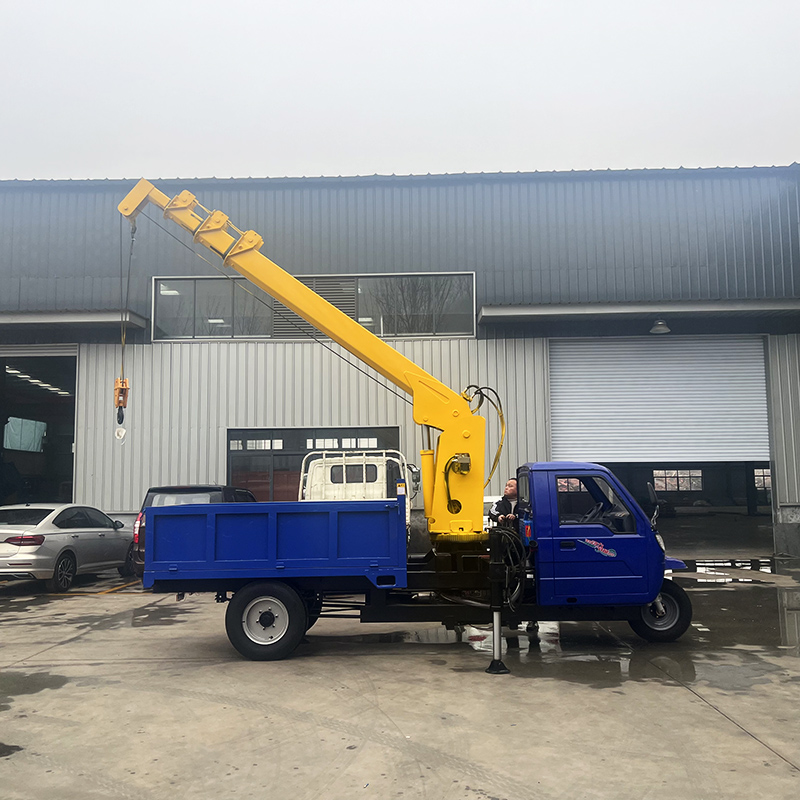
As a convenient small lifting equipment, three‑wheeled cranes can achieve longer service life and effectively avoid safety risks through correct operation and maintenance. To help users operate the equipment safely and efficiently, we have sorted out the following key guidelines for reference.
I. Five Common Operating Errors to Be Strictly Prohibited
- Overload operationIt is forbidden to lift loads beyond the rated lifting capacity (e.g. lifting 1.5-ton goods with a 1-ton model).Consequences: boom bending, hydraulic system damage, and even rollover accidents in severe cases.
- Working without outriggersSkipping outrigger deployment for convenience will cause body shaking and center of gravity deviation, which may easily lead to load falling.
- Operation on soft groundWorking on dirt roads or unhardened ground without steel plate padding will cause outrigger sinking and equipment tilting, bringing major hidden dangers.
- Over-extended boom & diagonal liftingExceeding the maximum boom length or pulling goods horizontally will result in boom fracture, hydraulic overload and serious personal injury risks.
- Neglect of daily maintenanceLong-term failure to check hydraulic oil, outrigger bolts and seals will cause oil leakage, outrigger failure and sudden breakdowns that delay construction.
II. Standard Operating Specifications:Three Core Principles & Pre-operation Inspection
(1) Core Operating Principles
Load control: The single lifting weight shall not exceed 80% of the rated value to ensure sufficient safety margin.
Site requirements: Operate only on hardened ground or ground paved with steel plates; avoid slopes and soft foundation.
Operation prohibitions: No over-extended boom, diagonal lifting or high-altitude throwing. Keep irrelevant personnel away during operation.
(2) Three-step Pre-operation Inspection
Outrigger check: Fully extend the H-type hydraulic outriggers to ensure firm contact with the ground without shaking.
System check: Confirm the hydraulic oil level is normal, with no leakage on pipelines and seals.
Function test: Start the equipment and test the lifting, telescopic and slewing movements of the boom, and verify the sensitivity of limit devices.
Prev Article:Next Article: